
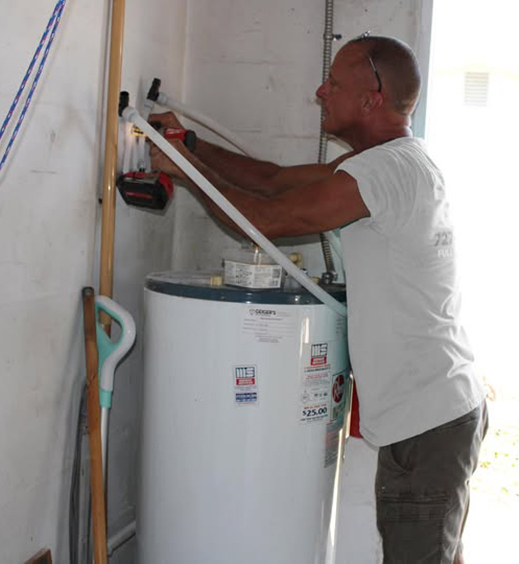
As a plumber, one of the most common service calls involves issues with water heaters. Whether it’s a lack of hot water, strange noises, or leaks, understanding when to repair or replace a water heater is essential for both homeowners and service professionals.
Repairing a Water Heater is often the first step, especially if the unit is under ten years old and the problem is minor. Common repairs include replacing heating elements, thermostats, or valves. Sediment buildup is another frequent issue, which can be resolved by flushing the tank. These types of repairs are usually cost-effective and can extend the life of the unit by several years.
However, replacing a water heater may be more cost-efficient in the long run if the unit is nearing or past its expected lifespan—typically 8 to 12 years for tank models. Signs that replacement is necessary include rusty water, loud banging or popping noises, frequent leaks, or a significant drop in efficiency. Upgrading to a newer, energy-efficient model can also reduce utility bills and provide more consistent hot water.
There are several replacement options, including traditional tank models and tankless water heaters, which offer on-demand hot water and take up less space. As a plumber, recommending the right unit based on the household size, water usage, and energy efficiency goals is crucial.