
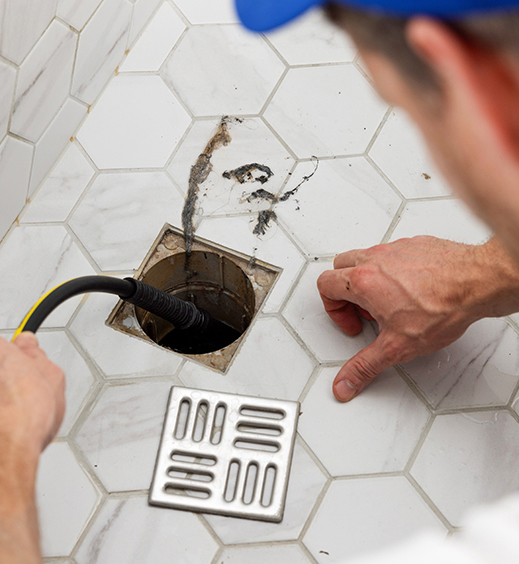
Sewer cleaning is an essential service for homeowners and businesses in St. Petersburg, helping maintain a safe, efficient plumbing system and preventing costly damage. Because many neighborhoods in the area feature older infrastructure and mature landscaping, routine sewer maintenance is especially important to avoid unexpected problems.
ne of the most common issues affecting sewer lines in St. Petersburg is blockage. Over time, materials like grease, soap residue, hair, and debris build up inside pipes, restricting water flow and eventually causing clogs. Tree root intrusion is another major concern, as roots naturally seek moisture and can penetrate small cracks in underground pipes, leading to severe obstructions.
When a sewer line becomes blocked, the consequences can escalate quickly. Slow drains, foul odors, and gurgling sounds are often early warning signs. If left untreated, a clogged sewer line can result in wastewater backing up into sinks, tubs, and toilets—creating unsanitary conditions and potential health hazards. In severe cases, sewage exposure may require professional cleanup due to harmful bacteria and contaminants.
Professional sewer cleaning services use advanced tools and techniques to address these problems effectively. One of the most common methods is hydro jetting, which uses high-pressure water to thoroughly clean the inside of pipes, removing grease, sludge, and even invasive roots. Camera inspections are also widely used to diagnose the exact cause and location of a blockage without digging, allowing for faster and more accurate solutions.
Routine sewer cleaning is not just about fixing emergencies—it’s also a smart preventative measure. Regular maintenance can extend the life of your plumbing system, reduce the risk of major repairs, and improve overall drainage performance. In fact, many experts recommend scheduling sewer line cleaning every one to two years, especially for older homes or properties with large trees nearby.